
Gamified Student Journey for RMIT Creds
The Problem
The drop-off wasn't a usability problem — students could technically complete the sign-up. It was a motivation and meaning problem. 'Sign up for a credential' meant nothing to a student who didn't yet understand why a digital badge from RMIT was more valuable than a line on their CV.
The design challenge: how do you make the value of something invisible (a future credential) feel real and worth effort right now?
My Approach
I analysed the existing sign-up journey from both the 21CC and student perspectives, identifying pain points through direct observation and interviews. I then developed detailed personas representing different student types and assigned each student co-designer to a specific persona and player type — ensuring diverse perspectives in the co-design process.
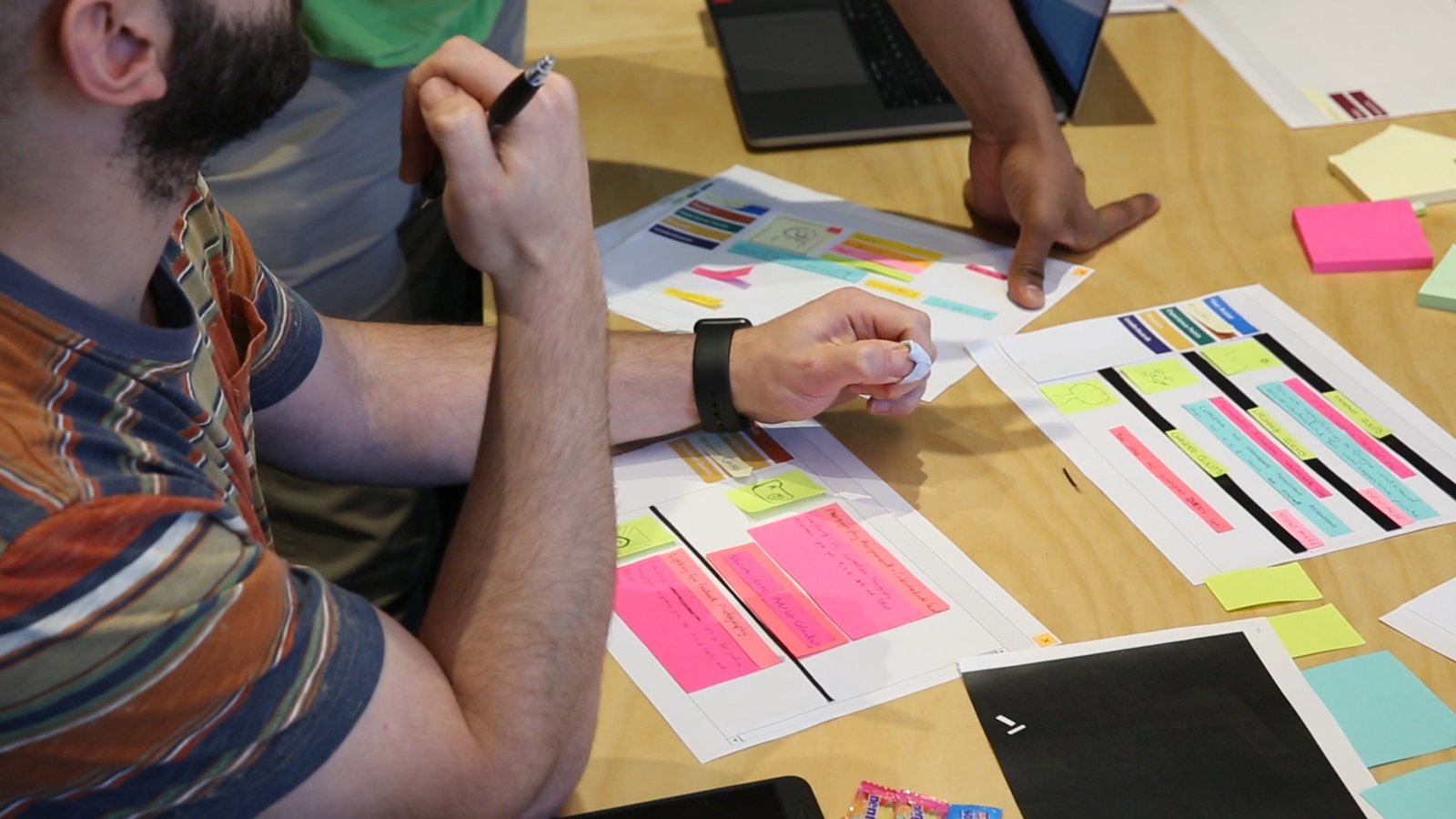
I used paper prototyping techniques rather than digital tools, deliberately keeping fidelity low to encourage students to critique and reshape ideas rather than defer to the designer.
The Work
Co-designed a gamified sign-up experience with RMIT students that reframed credential enrolment as a meaningful personal challenge rather than an administrative task. The solution included: a mission-framing of credential sign-up, progress visibility showing what skills would be earned, social proof elements showing peers who'd completed similar credentials, and milestone rewards at key completion moments.
Evidence of Impact
The gamified experience significantly increased engagement levels for RMIT Creds, providing a more compelling sign-up journey. Students reported higher perceived value of digital credentials after experiencing the redesigned flow.
What I'd Do Differently
The co-design sessions were productive but I'd structure them differently — assigning students to personas before the session worked well, but I'd now also run a 'worst possible design' exercise first to surface assumptions and biases before anyone commits to a direction. This technique consistently produces better co-design outputs.