
Research Portfolio
50+ projects across bodies, play & technology
Peer-reviewed research imagining new forms of embodiment – where technology extends, reshapes, and plays through the human body.
Leveling Up Leadership: Emerging Voices and Evolving Practices in the Games & Play Community
This workshop brings together emerging and established leaders in the Games & Play research community to reflect on their leadership journeys, exchange best practices, and collectively envision the future of leadership in the field.
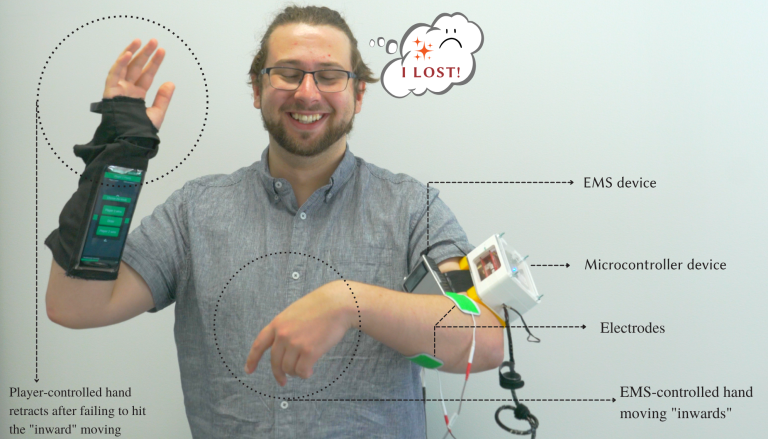
Playing with Yourself: How Electrical Muscle Stimulation Can Turn Your Body Into A Playful Interface
Three games where a computer takes control of one of the player's hands via electrical muscle stimulation, turning that hand into an opponent the other hand must play against. Over a week-long study, players became surprisingly engaged with, and even fond of, their own involuntarily moving hand.
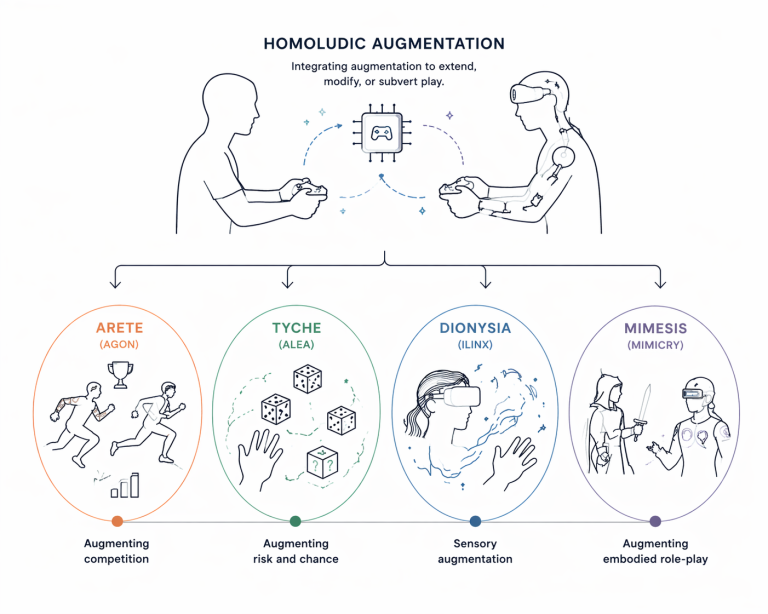
Homoludic Augmentation: Preliminary Reflections
A theoretical framework proposing four ways that human augmentation technologies, like electrical muscle stimulation, pneumatics or sensory enhancements, can be deliberately woven into traditional forms of play such as competition, chance, sensation-seeking, and role-play. The paper calls for designers to approach this thoughtfully, keeping consent and player autonomy at the centre.
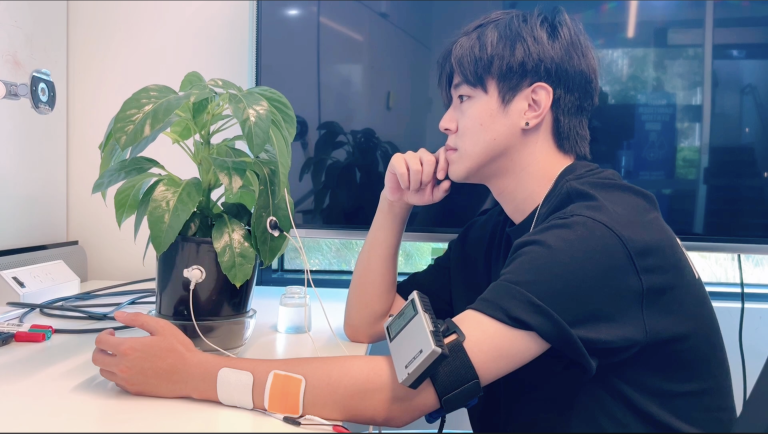
PlantMate: A Bidirectional Touch-Based System for Enhancing Human-Plant Empathy and Pro-Environmental Behavior
A system that lets people communicate bidirectionally with plants, human touch stimulates plant growth, while the plant's electrical signals (in response to its environment) are translated into gentle muscle stimulations felt by the person. The project aims to help people feel a genuine, physical empathy with nature.

PsiNet: Toward Understanding the Design of Brain-to-Brain Interfaces for Augmenting Inter-Brain Synchrony
🏆 Best Paper Award (Top 1%)
Underlying humanity’s social abilities is the brain’s capacity to interpersonally synchronize.
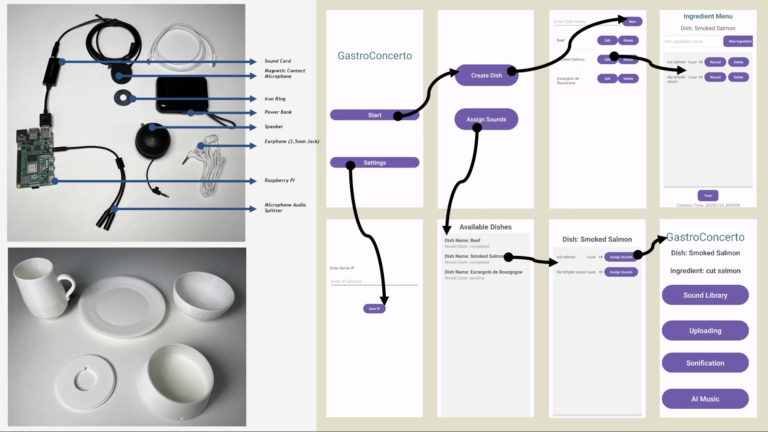
GastroConcerto: Towards Designing Auditory Dining System to Enrich Chefs’ Culinary Practices
An interactive dining system that lets chefs attach specific sounds to ingredients, so that eating a dish becomes a sonic as well as a taste experience, essentially composing music through food. The project explores how sound can be woven into the creative practice of cooking and the experience of dining.
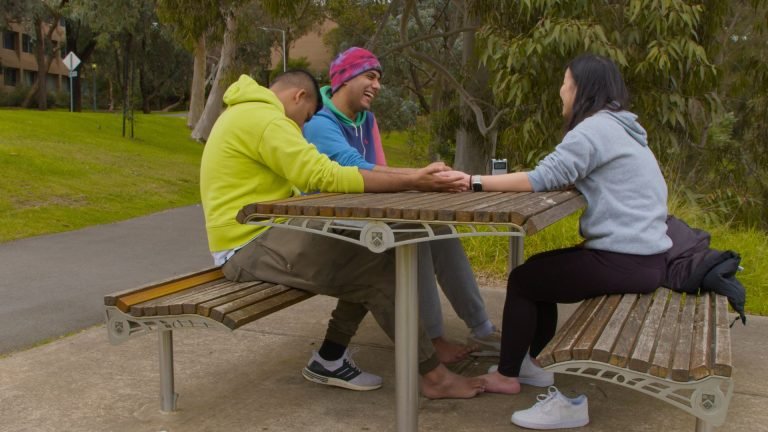
Shared Bodily Fusion: Leveraging Inter-Body Electrical Muscle Stimulation for Social Play
A game called "Hidden Touch" where players touch each other and that touch, via electrical muscle stimulation, triggers involuntary movements in both players' bodies simultaneously. The research explores how technology can deepen the physical and social connection between players in digital games.
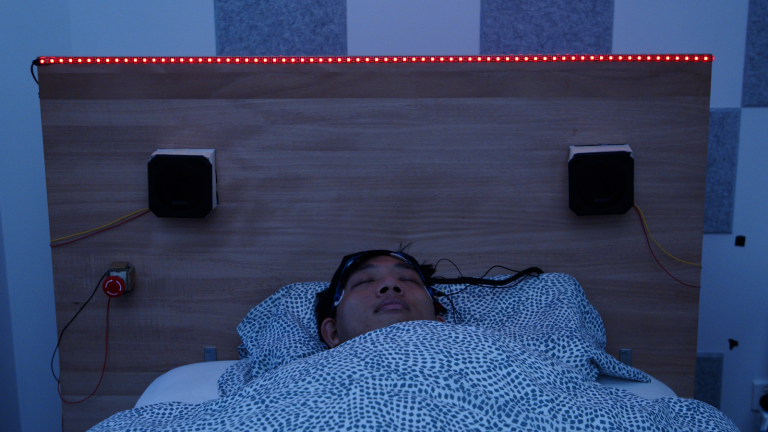
LuciEntry: Towards Understanding the Design of Lucid Dream Induction
A wearable prototype that uses timed light and sound cues to help people become aware that they're dreaming while they're still asleep, a state known as lucid dreaming. The researchers conducted both lab and real-world studies to understand how to design technology that reliably triggers this experience.
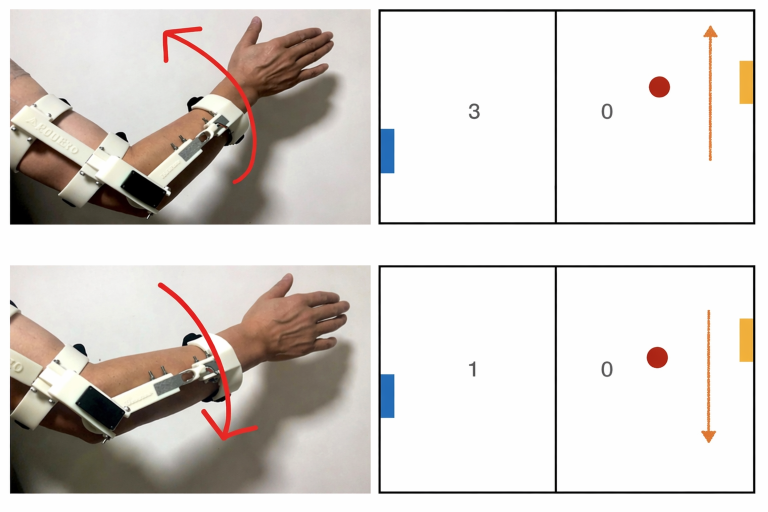
AI in the Shell: Towards an Understanding of Integrated Embodiment
An exoskeleton system where an AI lives "inside" the user's body and can take over control of their movements to assist with tasks, like improving their game performance. The project raises the question of what it really means for a computer to become part of your embodied experience.
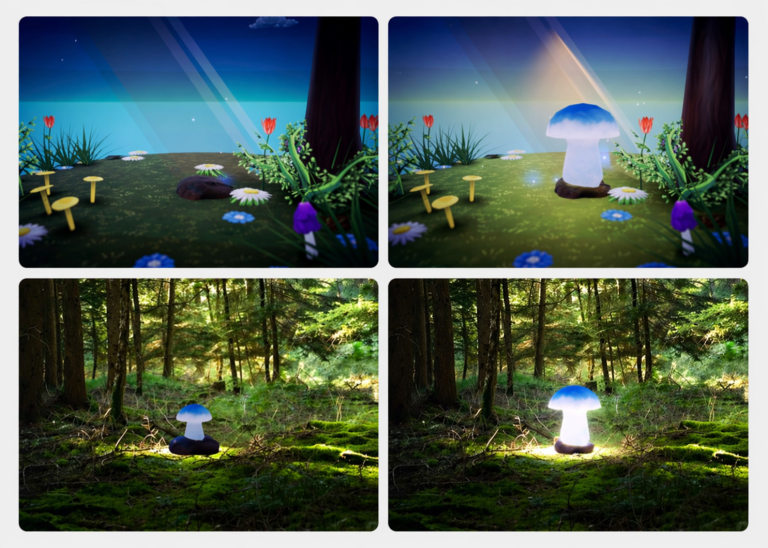
Respireal: Enriching Human-Nature Connection through a Breath-Controlled Mixed Reality Experience
A mixed reality breathing game where your breath grows virtual plants. It helps people become more aware of their bodies while feeling more connected to nature.
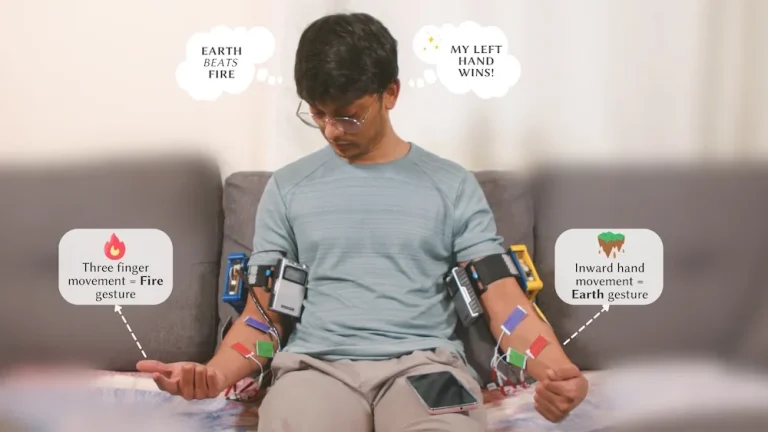
Fused Spectatorship: Designing Bodily Experiences Where Spectators Become Players
An experience where audience members loan control of both their hands to a computer via electrical muscle stimulation and watch their own hands play games – blurring the line between watching a game and playing one. Participants often couldn't tell whether they were a player or a spectator.
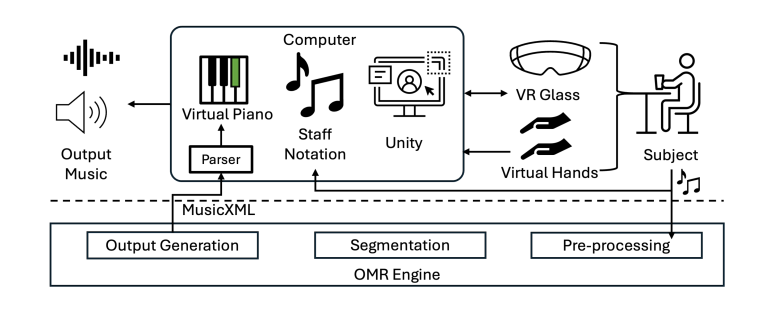
From Notes to Keys: A VR Learning Environment for Sheet Music Interpretation
A virtual reality system for beginner piano learners that reads sheet music using computer vision and then lights up the corresponding keys on a virtual piano in a VR headset. The system aims to reduce the mental load of translating written music notation into physical finger movements.
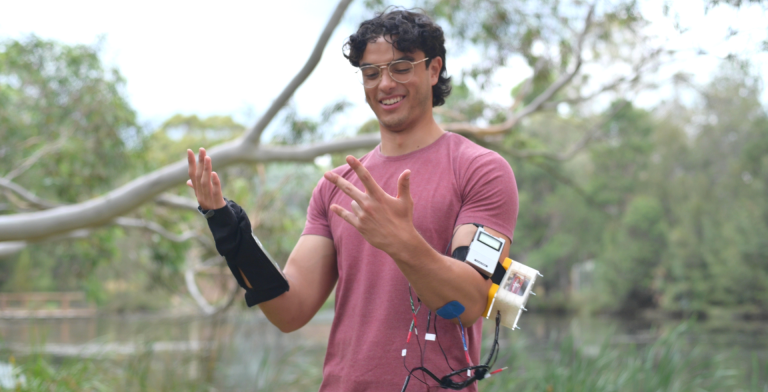
Auto-Paizo Games: Towards Understanding the Design of Games That Aim to Unify a Player’s Physical Body and the Virtual World
★ Audience Choice Award
Three games where a player's hand is taken over by a computer via electrical muscle stimulation, and they essentially play against their own involuntarily moving hand. The concept – "body as play material" – merges the player's physical body and the virtual game world into one.
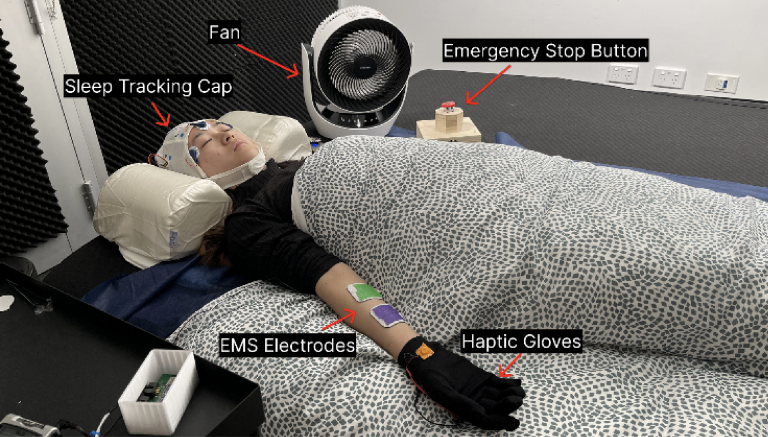
LuciTouch: Influencing Lucid Dreams Through Incorporation of Somatosensory Stimuli
A set of wearable devices that deliver gentle physical sensations, like touch or vibration, during sleep with the aim of helping lucid dreamers gain greater control over what happens in their dreams. The project explores how physical cues from the waking world can reach into and shape dream experiences.
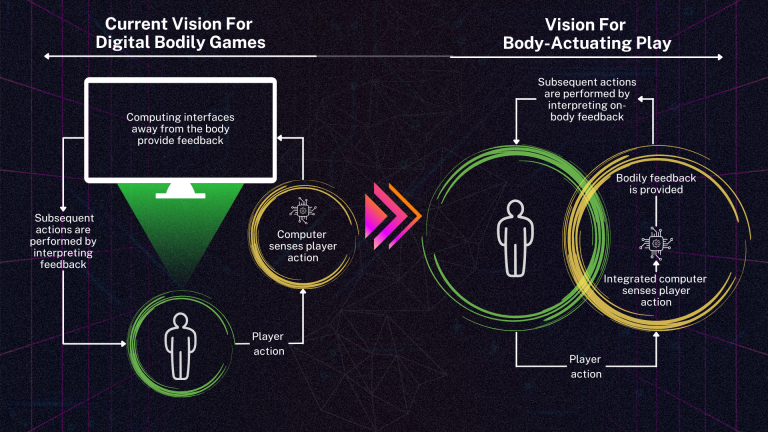
Towards Understanding the Design of Body-Actuated Play
A research project building three games where the player's body serves as both the input (what you do) and the output (what happens to you) using electrical muscle stimulation. The work aims to create a design guide for this new category of games where the body is simultaneously controller and screen.
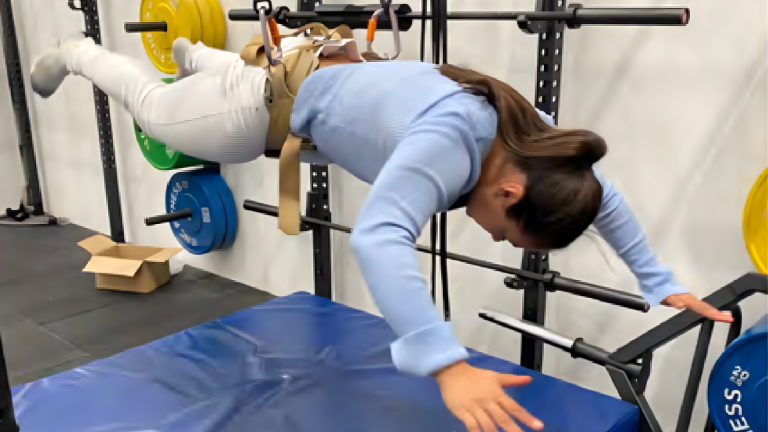
Blindfolded in the Air: Towards the Design of Interactive Aerial Play
A mixed-reality headset application used during aerial acrobatics, suspended off the ground in a harness, that switches between showing and hiding the performer's view based on their body's orientation. The study found this reduced social and visual distraction, encouraging performers to focus inward on movement and breath.
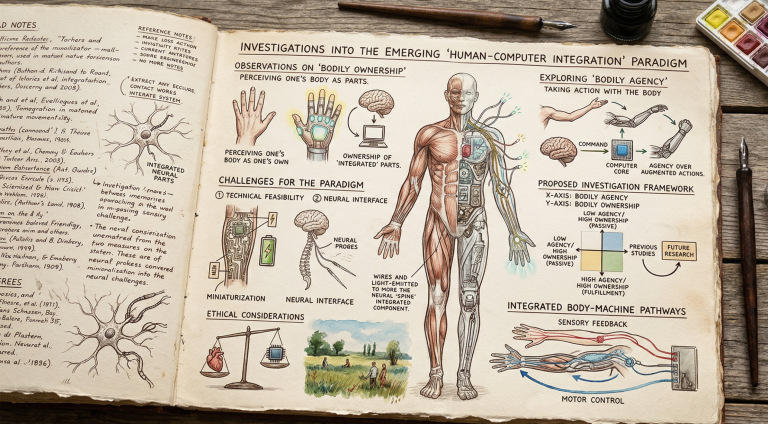
Human–Computer Integration: Towards Integrating the Human Body with the Computational Machine
An academic monograph laying out a new framework for thinking about technology that integrates with the human body, not just technology that the body uses. It identifies key questions researchers need to answer to responsibly advance this vision.
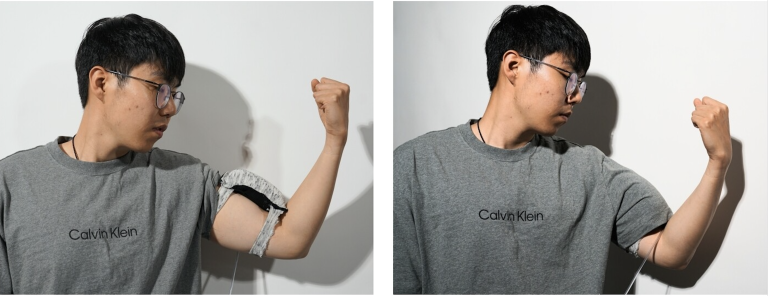
Inflated Exertion: Designing a Bodily Extension that Embodies Physical Activity
Interactive technologies such as smartwatches have been increasingly used to track physical activity.
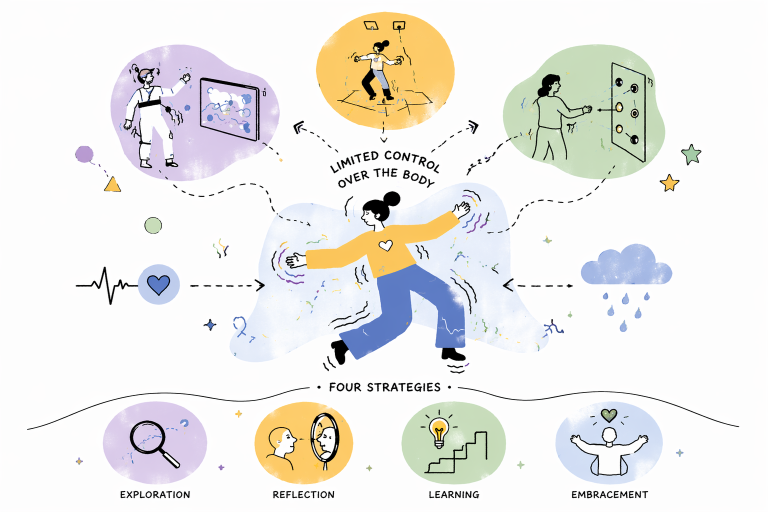
Limited Control Over the Body as Intriguing Play Design Resource
Rather than always giving players full control over their bodies, this paper explores what happens when that control is intentionally limited or shared – for example, when another bodily action triggers an involuntary movement. The authors argue this "limited control" can actually make games more interesting and reflective.
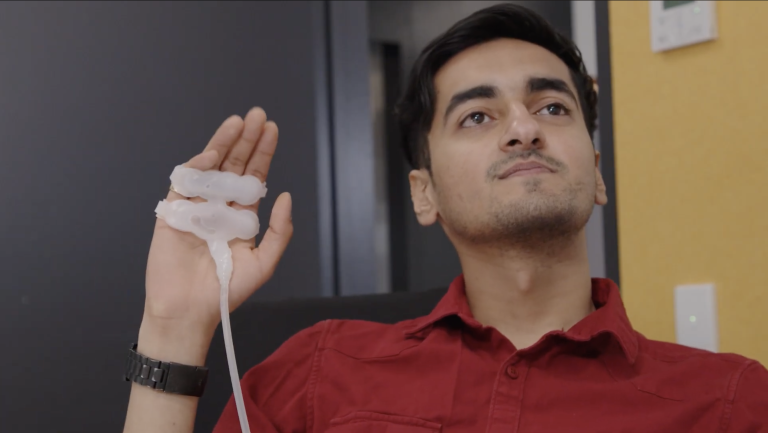
PneuMa: Designing Pneumatic Bodily Extensions for Supporting Movement in Everyday Life
Prior research around the design of interactive systems has highlighted the benefits of supporting embodiment in everyday life.
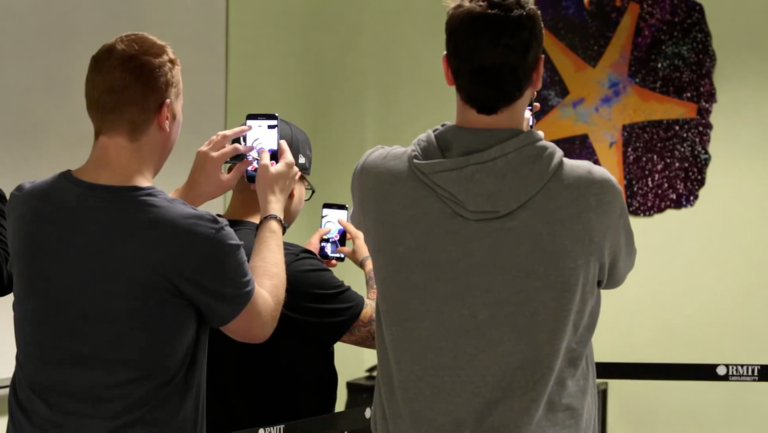
Reducing Perceived Waiting Time in Theme Park Queues via an Augmented Reality Game
Researchers built an augmented reality game for theme park queues and found that every minute spent playing made the wait feel about five times shorter. The study offers guidance for designers looking to make waiting in line feel less painful.
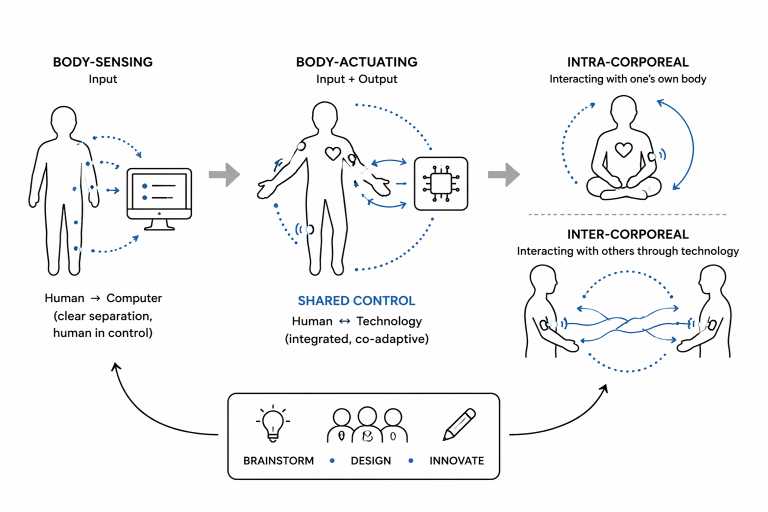
Exploring Shared Bodily Control: Designing Augmented Human Systems for Intra- and Inter-Corporeality
A workshop examining what happens when technology and a human share control over the body, for example, when a device can move your limbs, or when two people's bodies are linked through a computer. Participants explored the design possibilities and implications of this shared bodily control.
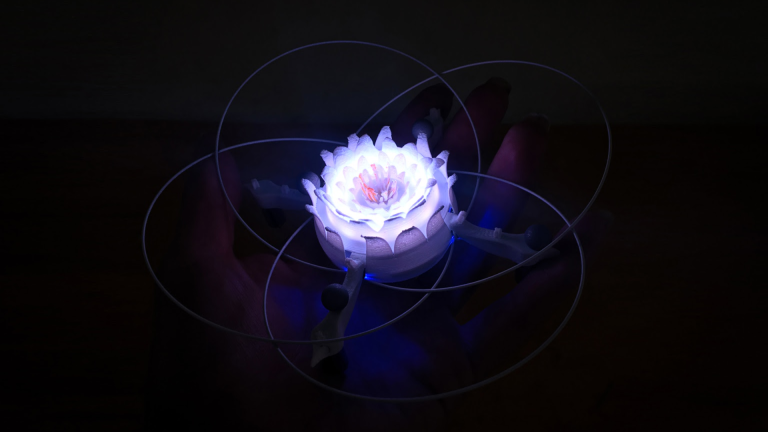
Drone Chi: Somaesthetic Human-Drone Interaction
⭐ Honourable Mention Award (Top 5%)
An experience inspired by Tai Chi where participants move slowly and mindfully in close proximity to a drone that responds to their gestures. The project investigates how drones can be designed for intimate, body-aware interaction rather than just practical tasks.
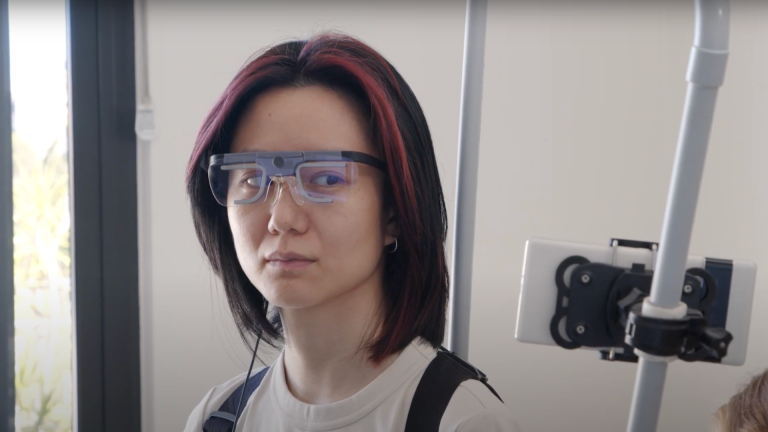
GazeAway: Designing for Gaze Aversion Experiences
A prototype wearable that swings a screen into the wearer's field of vision precisely when they look away from something – the natural behaviour people do when thinking hard or recalling something. The project investigates how technology might support or change this everyday, unconscious bodily habit.
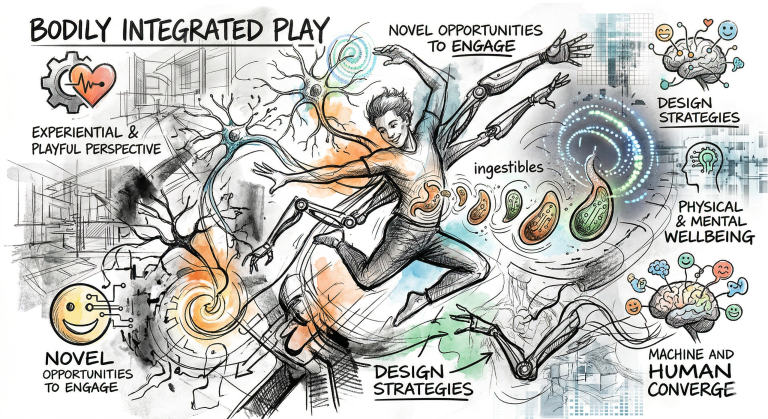
Towards Designing Bodily Integrated Play
A paper exploring what it might feel like to play with body-integrated technologies like extra robotic limbs or swallowed sensors, rather than just using them for practical purposes. The authors offer early design strategies for making these futuristic body-machine combinations genuinely fun.
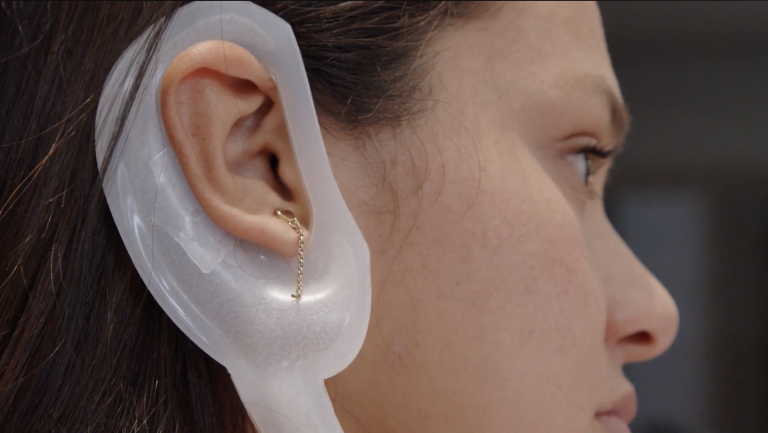
PneuMa: Designing Pneumatic Bodily Extensions for Supporting Movement in Everyday Life
Prior research around the design of interactive systems has highlighted the benefits of supporting embodiment in everyday life.
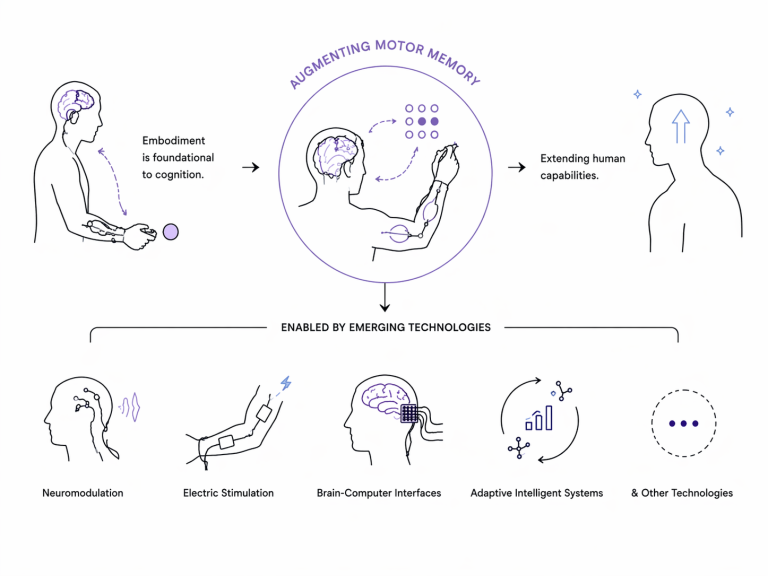
Motor Memory in HCI
There is mounting evidence acknowledging that embodiment is foundational to cognition.
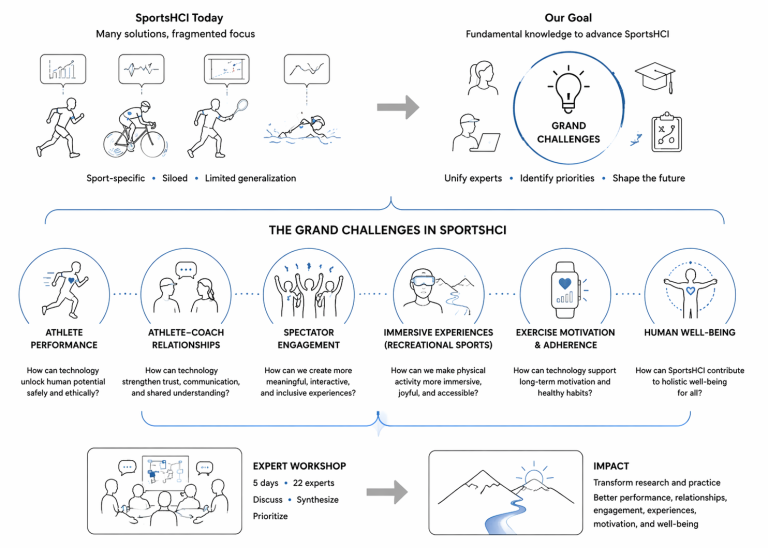
Grand Challenges in SportsHCI
A report from a five-day expert workshop identifying the biggest open problems in designing technology for sports and physical activity. Rather than focusing on individual sports, it aims to identify broad, fundamental questions that could advance the whole field of SportsHCI.
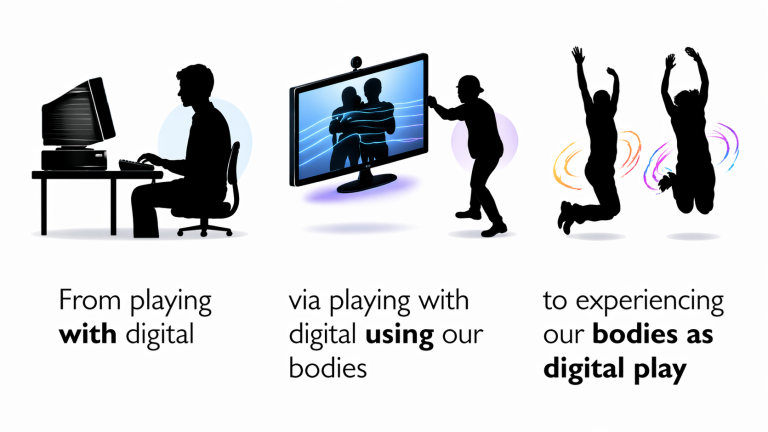
Experiencing the Body as Play
🏆 Best Paper Award (Top 1%)
A research paper arguing that the future of games isn't just about using your body as a controller, but about experiencing your body itself as the game. The paper offer design guidance for this emerging vision.
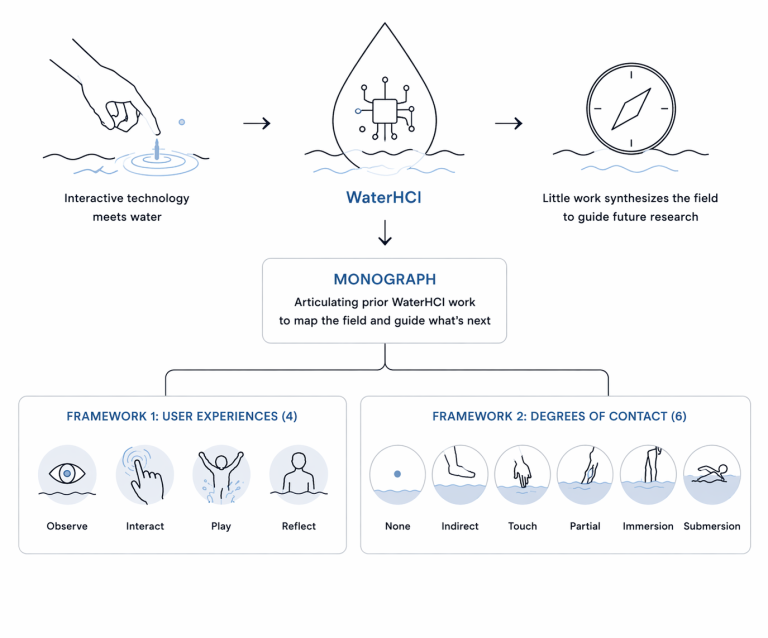
WaterHCI: Water in Human-Computer Interaction
A comprehensive monograph surveying the emerging field of interactive technology designed for water environments (WaterHCI) – from swimming to floatation tanks to water parks. It maps the landscape and highlights unexplored areas to guide future research.
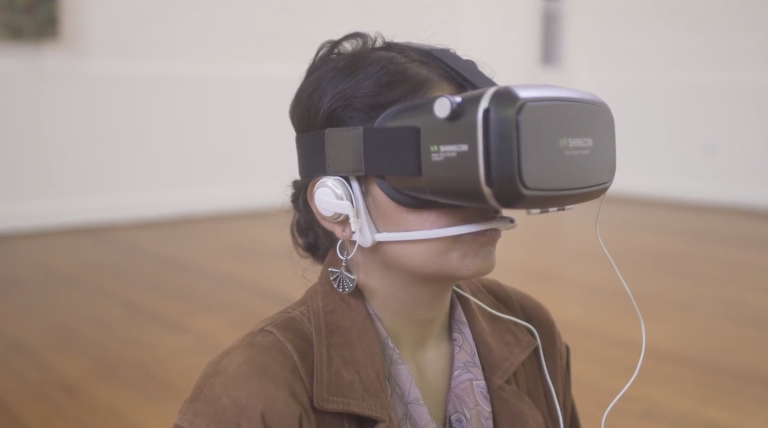
Life Tree: Understanding the Design of Breathing Exercise Games
A virtual reality game where players grow a virtual tree by practicing controlled breathing techniques. The researchers used it to figure out what makes breathing exercise games enjoyable and effective.

Pneunocchio: A playful nose augmentation for facilitating embodied representation
A wearable inflatable nose inspired by Pinocchio that physically grows when a player is detected as lying during a game of "two truths and a lie". It explores how bodily augmentations tied to physiological states can create playful and expressive social experiences.
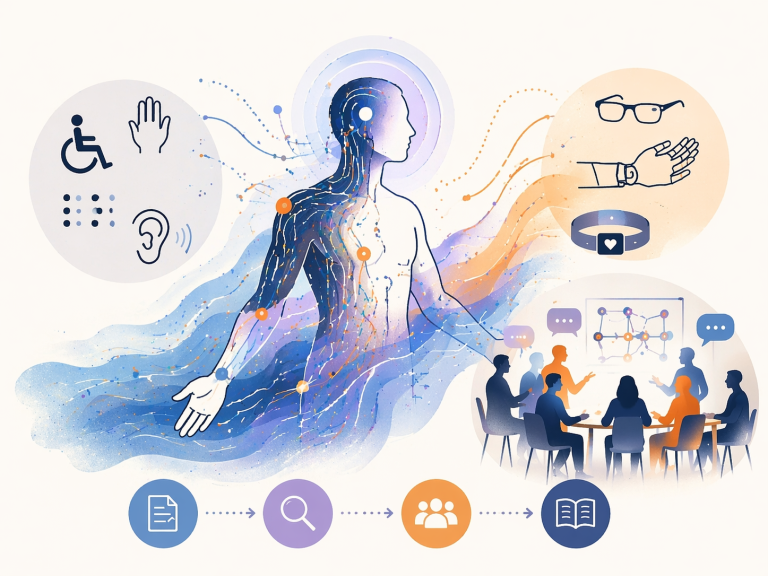
Exploring the Design Space of Assistive Augmentation
Assistive Augmentation, the intersection of human-computer interaction, assistive technologies and human augmentation, was broadly discussed at the CHI’14 workshop and subsequently published as an edited volume on Springer Cognitive Science and Technology series.

Towards Designing for Everyday Embodied Remembering: Findings from a Diary Study
A diary study exploring the many ways people use their bodies to remember things – like your fingers "knowing" a piano piece even when your mind doesn't. The resulting framework helps designers think about building technology that supports this physical, muscle-based kind of memory.
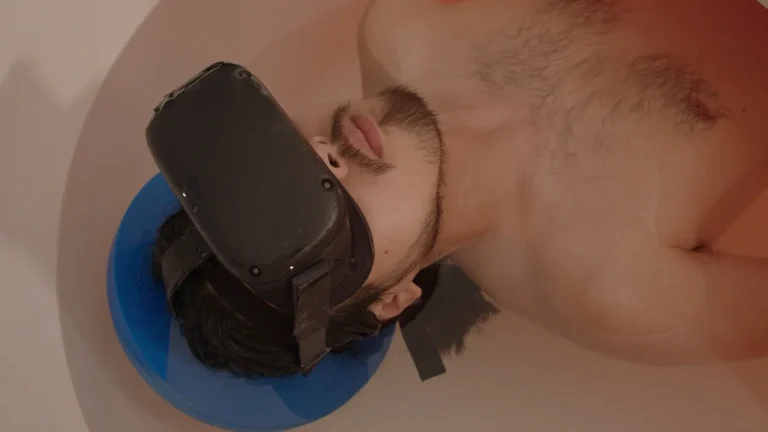
Fluito: Towards Understanding the Design of Playful Water Experiences through an Extended Reality Floatation Tank System
An extended reality experience designed for use inside a floatation tank, blending the relaxing sensation of floating in water with interactive virtual environments. The study used participants' experiences to develop design strategies for playful, water-based technology experiences.
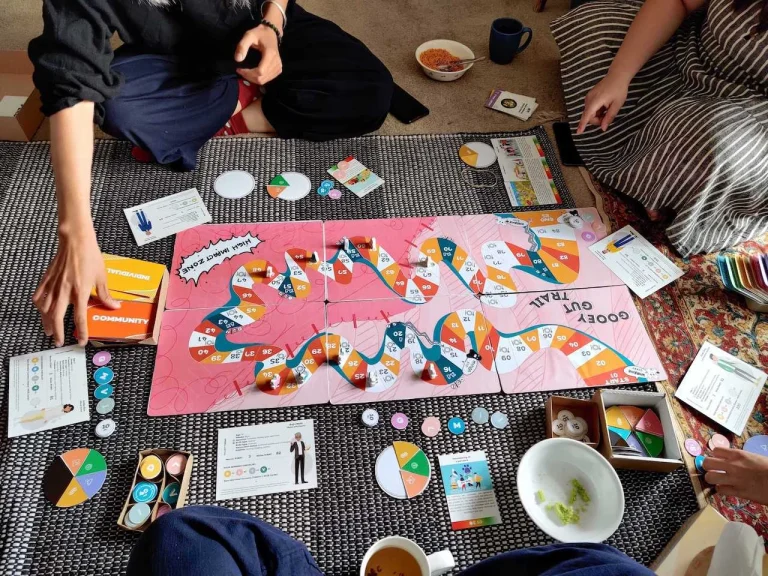
Gooey Gut Trail: Board Game Play to Understand Human-Microbial Interactions
A board game designed to teach players about the complex ecosystem of bacteria living in their gut and how diet, exercise, emotions, and lifestyle affect it. Through playful enactment of in-game activities, players build intuition for making gut-friendly everyday decisions. Towards Understanding the Des
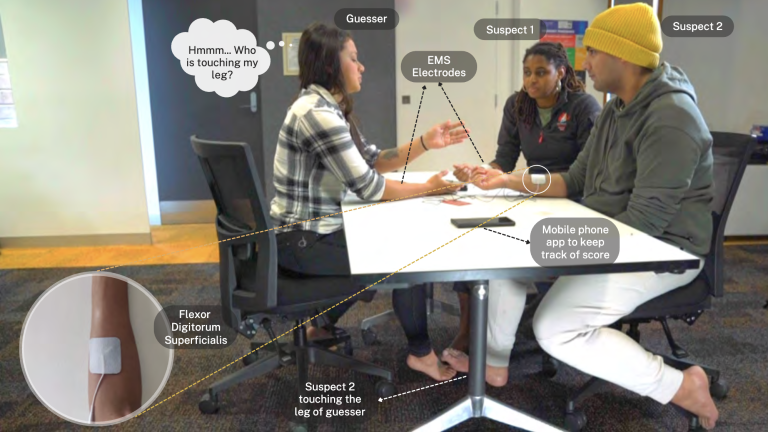
TouchMate: Understanding the Design of Body Actuating Games using Physical Touch
A game where one player tries to guess which of two suspects secretly touched their leg under a table, with a twist: the act of touching completes an electrical circuit that involuntarily moves both players' hands at the same time. It explores how technology-mediated physical touch can create surprising and social gameplay.
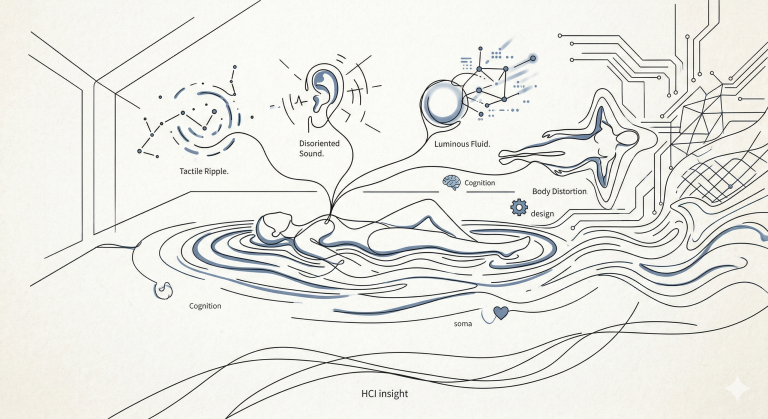
Towards an Initial Understanding of the Design of Playful Water Experiences Through Flotation
An early design exploration into how flotation tanks, sensory-deprivation pools used for relaxation, could become a setting for playful, technology-enhanced experiences. The researcher used her own bodily experiences in water to generate design ideas.
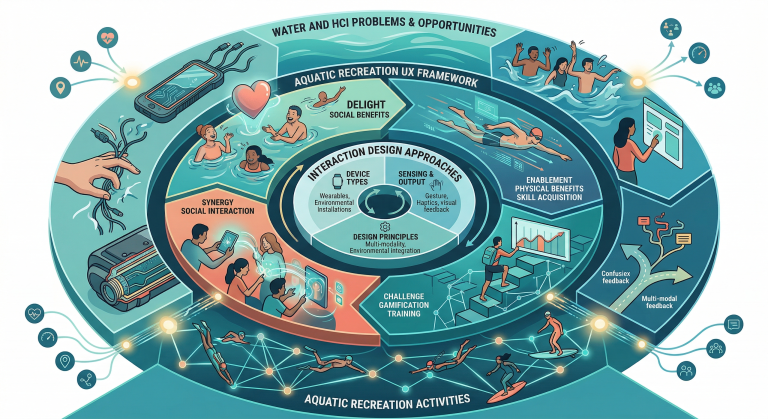
Going into Depth: Learning from a Survey of Interactive Designs for Aquatic Recreation
A systematic review of 48 research papers on interactive technology designed for water-based activities, from swimming to water parks. The paper maps out what's been done and identifies design opportunities for making aquatic recreation more engaging and beneficial.
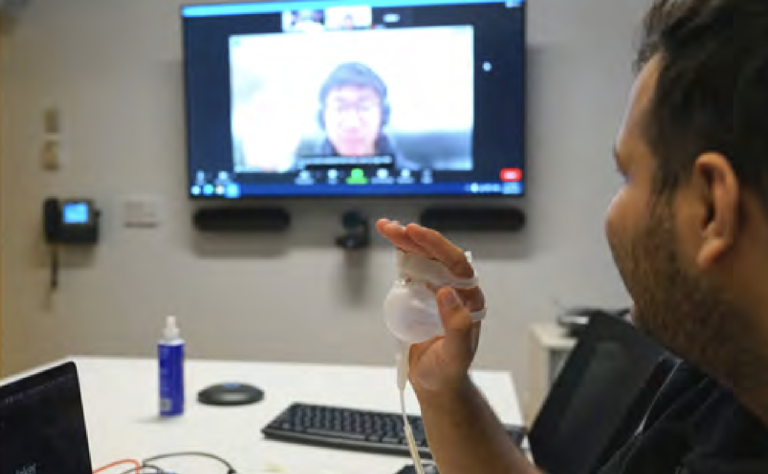
SomaFlatables: Supporting Embodied Cognition through Pneumatic Bladders
Wearable inflatable devices that physically push or extend parts of your body, for example, nudging your posture or expanding your perceived shape, to create new kinds of bodily experiences. The project explores how inflatables, rather than screens, could be a medium for interactive experiences.
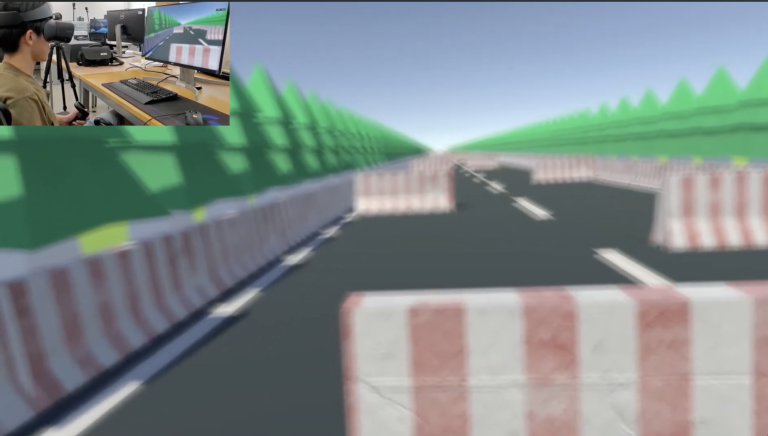
Myopic Bike and Say Hi: Games for Empathizing with The Myopic
Two virtual reality games that simulate the blurry, disorienting experience of being short-sighted without glasses, like riding a bike or recognising a friend on the street. The goal is to help people without myopia genuinely understand and empathise with what short-sighted people go through every day.

Actuating Myself: Designing Hand-Games Incorporating Electrical Muscle Stimulation
Digital versions of classic hand games like Rock-Paper-Scissors, where electrical muscle stimulation (EMS) – small electrical pulses sent to your muscles – causes your hand to move involuntarily as part of the gameplay. The research investigates what it's like to play games where the computer can literally move your body for you.
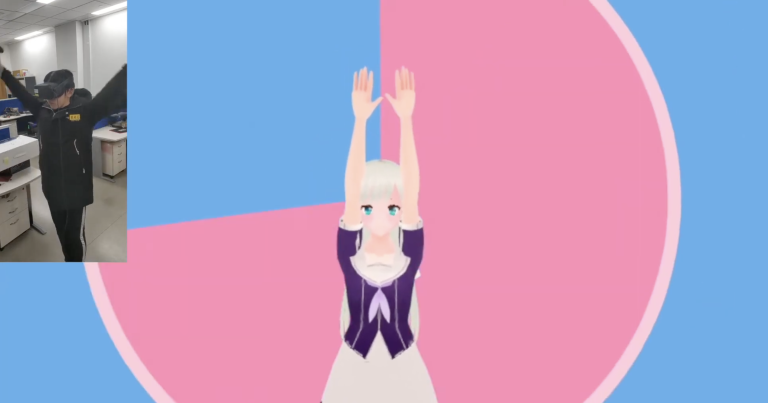
vrCAPTCHA: Exploring CAPTCHA Designs in Virtual Reality
An exploration of what the "prove you're human" security tests (CAPTCHAs) on websites might look like inside virtual reality, where users interact in three dimensions. The researchers propose new VR-specific designs that take advantage of physical body movement to verify human users.
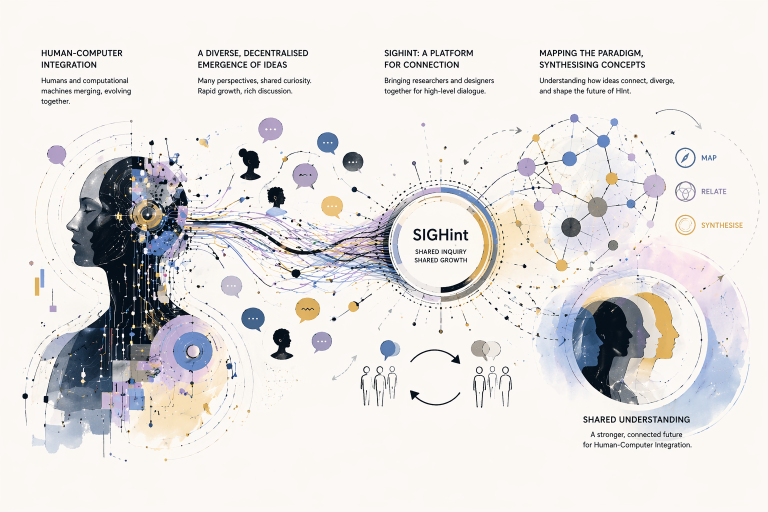
SIGHInt: Special Interest Group for Human-Computer Integration
A gathering of researchers working on "Human-Computer Integration", the growing area of study concerned with technology that merges with the human body. The aim was to bring together different perspectives and map out what this emerging field actually means and where it's headed.
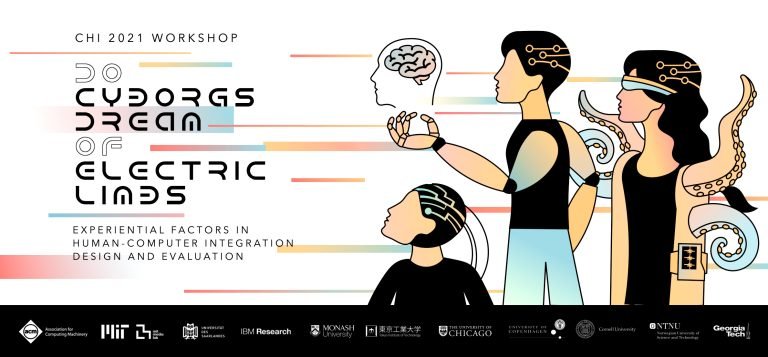
Do Cyborgs dream of Electric Limbs? Experiential Factors in Human-Computer Integration Design and Evaluation
A workshop examining not just whether body-integrated technologies work functionally, but whether people actually feel them as part of their own body. The session used hands-on experiments with body illusions to explore what makes technology feel truly integrated.
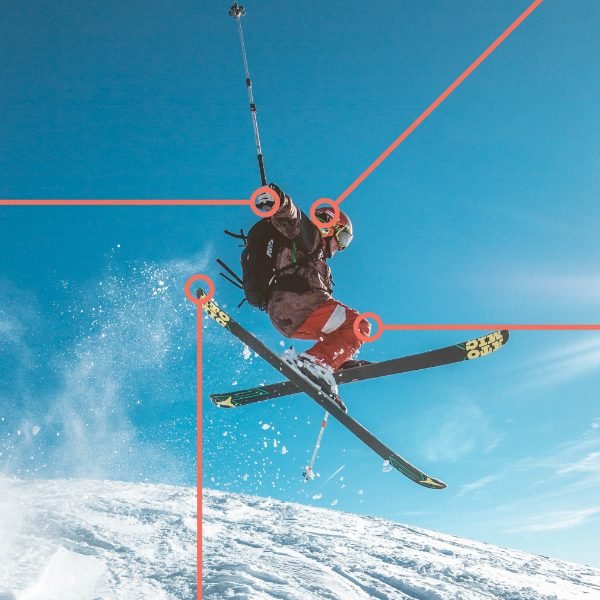
Out of Your Mind!? Embodied Interaction in Sports
A workshop exploring how interactive sports technology could be designed around what athletes feel and experience rather than just their performance statistics. The researchers focused on themes like sensory augmentation, flow states, and freeing the mind during physical activity.
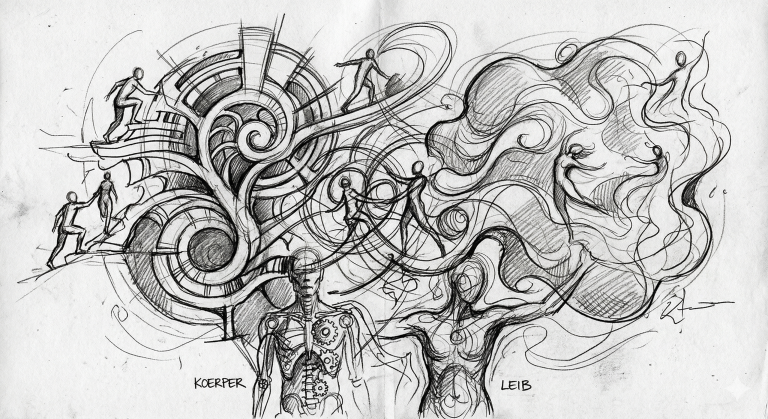
“Erfahrung & Erlebnis”: Understanding the Bodily Play Experience through German Lexicon
This paper borrows two German words to help designers describe two distinct types of experience in physical games: conscious, knowledge-gaining experience versus deeper, felt "lived" experience. The distinction gives game designers a richer vocabulary for talking about what players actually go through.
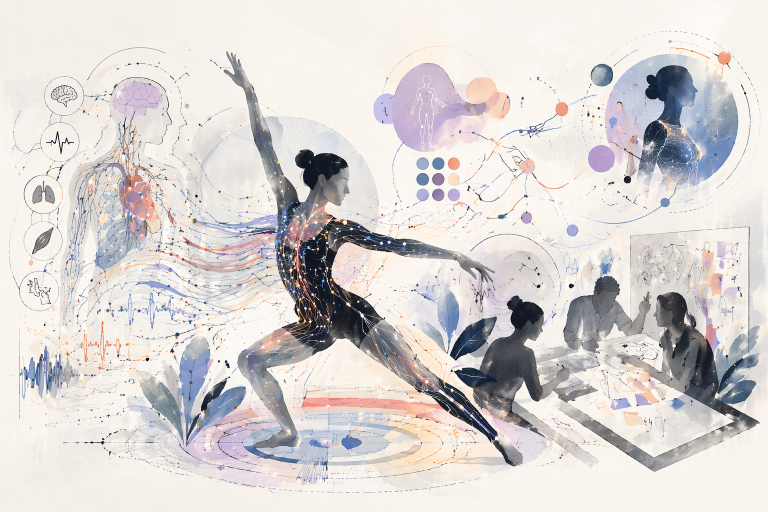
Future InBodied: A Framework for Inbodied Interaction Design
A workshop framework helping designers incorporate knowledge of human physiology – like how muscles, nerves, and the brain work – into the creation of interactive technology experiences. The goal is to unlock human potential rather than simply bolt technology onto the body.
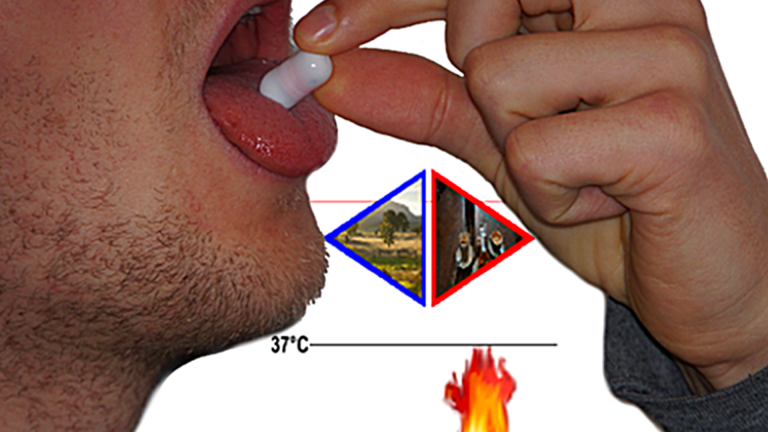
The Guts Game: Towards Designing Ingestible Games
A two-player game where each player swallows a sensor pill that measures their internal body temperature, and they compete by doing tasks that change that temperature. It's an early exploration of what games might look like when the "controller" is literally inside your body.
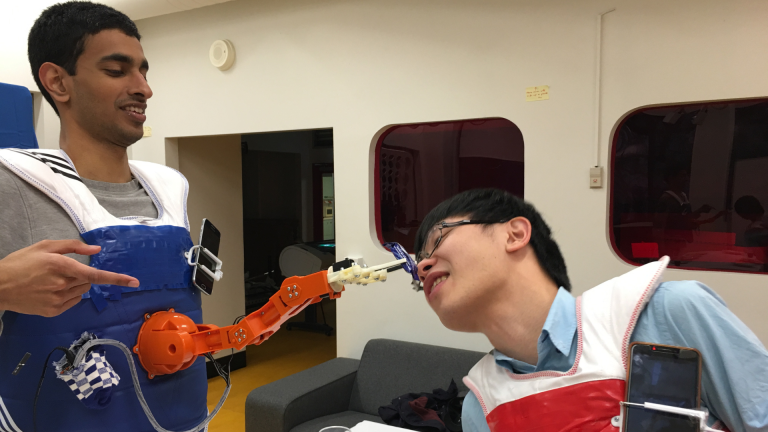
Arm-A-Dine: Towards Understanding the Design of Playful Embodied Eating Experiences
A social dining experiment where people eat using robotic arms attached to their bodies, and each person's robotic arm is controlled by their dining partner's emotional reactions. The project explores how playful technology can make shared meals more interesting and mindful.